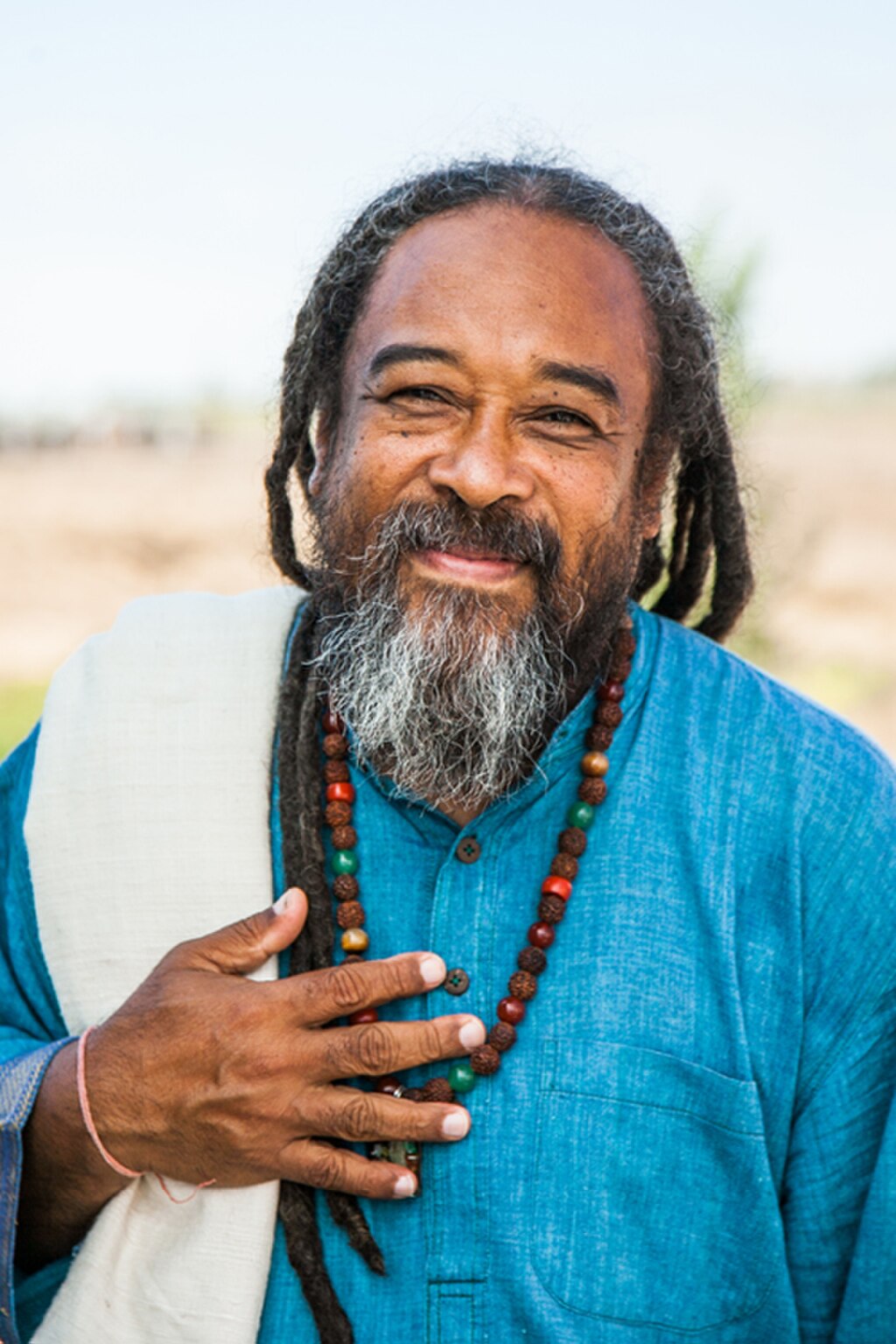
Embracing the Essence of Being
Mooji's profound assertion, "There is nothing you need to do to be what you are," invites us to explore the depths of our existence beyond the incessant demands of doing. In a world that often equates worth with achievement, this statement serves as a gentle reminder that our essence is not contingent upon our actions or accomplishments. It beckons us to recognize the inherent value of simply being, urging us to shift our focus from the external to the internal, from the noise of the world to the quietude of our true nature.
This teaching resonates deeply in a culture that prizes productivity and success, where individuals frequently find themselves caught in a relentless cycle of striving. Mooji's words challenge this paradigm, suggesting that our true nature is already complete and whole, untouched by the fluctuations of life. By embracing this perspective, we can cultivate a sense of peace and acceptance, allowing ourselves to simply exist without the burden of expectation or the need for validation.
The image / the metaphor
The imagery in Mooji's quote evokes a sense of liberation, as if shedding the weight of societal pressures and self-imposed limitations. The verbs "need" and "do" highlight the common human tendency to equate our identity with our actions, suggesting that we must earn our worth through effort. However, the phrase "to be what you are" emphasizes a state of existence that is inherent and unearned, inviting us to recognize that our essence is not something to be achieved but rather something to be acknowledged and embraced.
In the speaker's tradition
Mooji's teachings are rooted in the non-dual tradition, which emphasizes the interconnectedness of all existence and the illusion of separation. Concepts such as *sunyata* (emptiness) and *fana* (annihilation of the self) resonate with the essence of Mooji's message, as they invite practitioners to transcend the ego and recognize their true nature. In this context, the idea of being without doing aligns with the understanding that our essence is not defined by our actions but rather by our intrinsic connection to the universe.
In the *Upanishads*, ancient texts that explore the nature of reality and the self, we find echoes of Mooji's assertion. The *Tat Tvam Asi* (That Thou Art) principle encapsulates the idea that our true self is not separate from the divine essence of existence. This profound realization invites us to recognize that we are not merely human doers but rather expressions of a greater reality, encouraging us to embrace our being as an integral part of the cosmic whole.
Living the teaching
Consider a modern scenario where an individual feels overwhelmed by the pressures of work and societal expectations. In this context, Mooji's teaching can serve as a balm, reminding the person that their worth is not contingent upon their productivity. By taking a moment to pause and reflect on their inherent value, they can cultivate a sense of peace, allowing themselves to simply be without the weight of external validation. This shift in perspective can lead to a more balanced approach to life, where doing flows naturally from a place of being rather than obligation.
In relationships, the application of this teaching can be transformative. Imagine a moment of conflict where one partner feels the need to prove their love through actions or gestures. Mooji's insight encourages both partners to recognize that their love exists inherently, independent of what they do for one another. By embracing this understanding, they can foster deeper connections rooted in acceptance and authenticity, allowing their relationship to flourish in the space of simply being together.
A reflection
As we contemplate Mooji's profound statement, we are invited to explore the depths of our own being. What would it mean for you to embrace the idea that there is nothing you need to do to be who you truly are? In this inquiry, we can begin to unravel the layers of conditioning that have led us to believe our worth is tied to our actions, opening ourselves to the possibility of simply existing in the fullness of our essence.



Join the BrightStar Community
Stay connected with daily inspiration, event announcements, and community wisdom