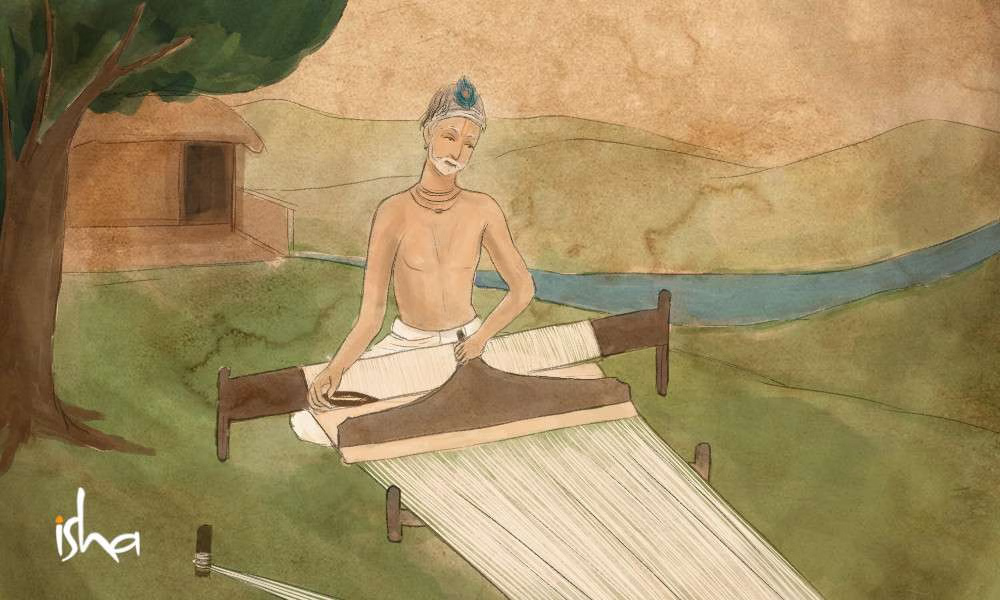
Illuminating the Shadows: The Wisdom of Kabir
In the evocative words of Kabir, "Where is the night, when the sun shines? If it is night, then the sun withdraws his light." This profound statement invites us to reflect on the nature of illumination and ignorance, urging us to consider the interplay between light and darkness in our lives. The metaphor of the sun, a symbol of clarity and enlightenment, juxtaposed with the concept of night, suggests that our understanding is often obscured by our own withdrawal from awareness. This contemplation is not merely poetic; it speaks to the heart of our spiritual journey, where the quest for clarity is paramount.
As we delve deeper into Kabir's wisdom, we recognize that the sun represents not only physical light but also the inner illumination that comes from spiritual awakening. The night, in contrast, symbolizes ignorance or the absence of understanding. By questioning the existence of night in the presence of the sun, Kabir challenges us to confront our own moments of darkness—those times when we may turn away from the light of truth. This inquiry is essential, for it compels us to examine the barriers we erect against clarity and insight, ultimately guiding us toward a more profound understanding of our spiritual path.
The image / the metaphor
At first glance, Kabir's quote presents a striking image: the sun, a universal symbol of light and life, stands in stark contrast to the concept of night, which evokes feelings of fear, uncertainty, and ignorance. The verbs chosen—"shines" and "withdraws"—carry significant weight, suggesting an active engagement with light and a passive retreat into darkness. The felt sense of this imagery resonates deeply within us, as we can all recall moments when we have felt illuminated by insight or, conversely, shrouded in confusion. Kabir's words compel us to consider how we navigate these dualities in our own lives.
Delving deeper into the metaphor, we can interpret the sun as the divine presence or the ultimate truth that illuminates our existence. The night, then, becomes a metaphor for the times we choose to ignore this truth, either through distraction or denial. Kabir's inquiry prompts us to reflect on our own choices: do we seek the light of understanding, or do we retreat into the comfort of ignorance? This tension between light and darkness is not merely a philosophical musing; it is a lived experience that shapes our spiritual growth and understanding.
In the speaker's tradition
Kabir's teachings are deeply rooted in the bhakti tradition, which emphasizes devotion and personal connection to the divine. In this context, the sun can be seen as a representation of divine love and grace, while the night symbolizes the ego's resistance to surrendering to that love. Concepts such as dharma, or righteous living, and bhakti, the path of devotion, are integral to understanding Kabir's message. The interplay of light and darkness reflects the journey of the soul toward realization, where ignorance is gradually dispelled by the light of divine insight.
To further illustrate this, we can draw parallels with the Buddhist concept of sunyata, or emptiness, which invites practitioners to recognize the transient nature of existence. Just as Kabir suggests that the sun's light can dispel the night, the realization of sunyata can illuminate the mind, revealing the interconnectedness of all beings. In both traditions, the quest for clarity and understanding is paramount, urging us to transcend the limitations of our ignorance and embrace the fullness of our spiritual potential.
Living the teaching
Consider a modern scenario where this teaching resonates: a person grappling with self-doubt and confusion in their career. They may feel as though they are in a perpetual night, unable to see the path forward. However, by consciously seeking the light of clarity—through reflection, mentorship, or spiritual practice—they can begin to dispel the darkness that clouds their judgment. This journey toward illumination is not instantaneous; it requires patience and a willingness to confront the fears that keep them in the shadows.
In a different context, imagine a relationship strained by misunderstandings. One partner may feel neglected, leading to emotional distance—the night in their connection. By fostering open communication and vulnerability, they can invite the sun of understanding back into their relationship. This act of seeking clarity transforms the dynamic, allowing both individuals to experience the warmth of connection once more. In both scenarios, the essence of Kabir's teaching is clear: the pursuit of light—whether in personal growth or relationships—requires intentionality and courage.
A reflection
As we contemplate Kabir's profound inquiry, we are invited to ask ourselves: "In what areas of my life am I allowing the night to overshadow the light?" This question encourages us to reflect on the moments when we may withdraw from clarity, whether through fear, complacency, or distraction. By acknowledging these shadows, we can take steps toward embracing the illuminating presence of truth, allowing the sun to shine brightly in our lives once more.



Join the BrightStar Community
Stay connected with daily inspiration, event announcements, and community wisdom