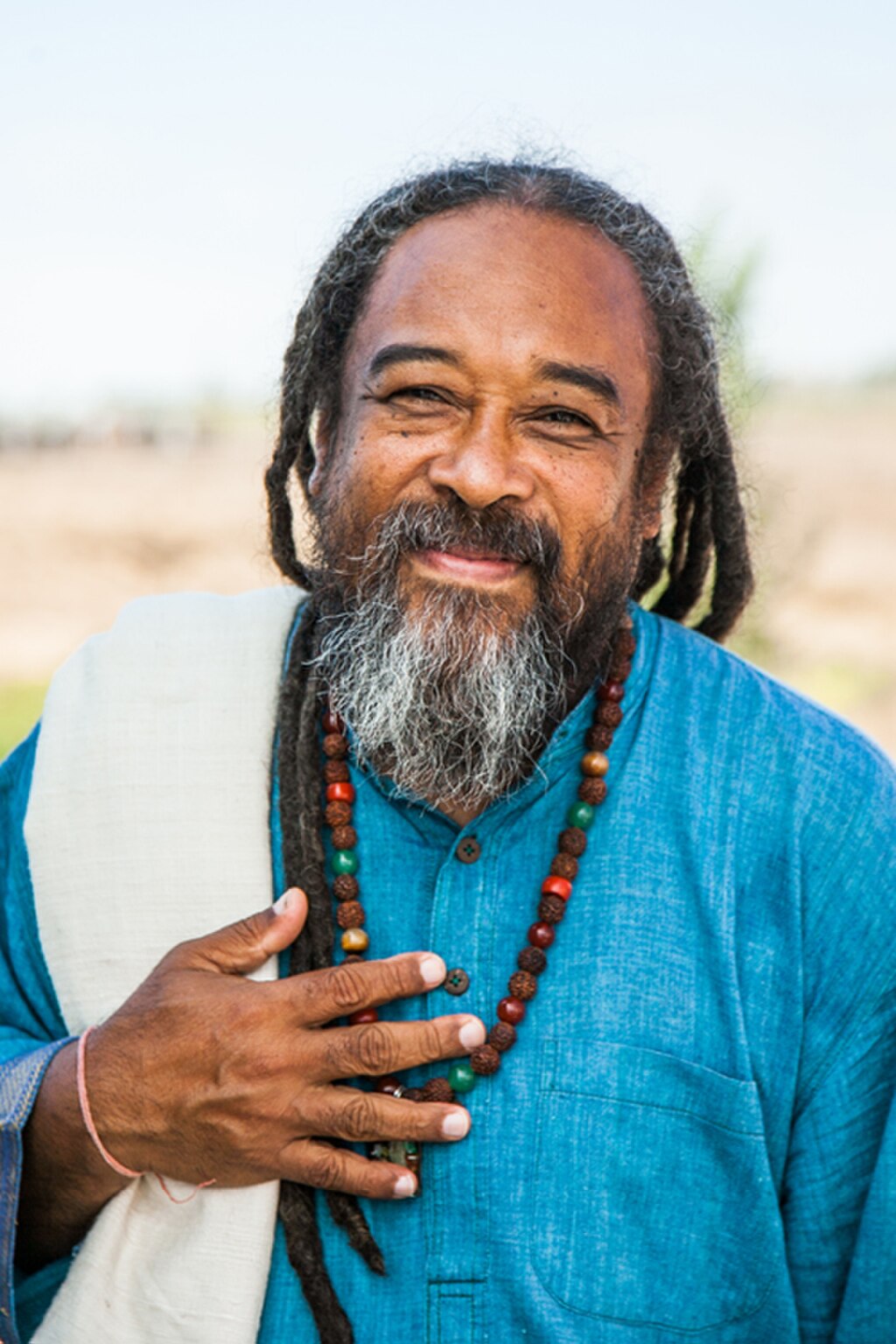
The Art of Non-Doing: Embracing Stillness in Action
Mooji's assertion, "You can do nothing wrong if you do nothing at all," invites us into a profound exploration of non-doing, a state where the weight of expectation and judgment dissipates. In a world that often equates busyness with value, this statement challenges us to reconsider our relationship with action and inaction. It beckons us to a deeper understanding of our essence, suggesting that true wisdom and clarity arise not from relentless striving but from a place of stillness and presence.
This teaching resonates deeply in our contemporary lives, where the pressure to perform and achieve can overshadow our innate sense of being. Mooji's words remind us that in moments of pause, we can access a deeper truth about ourselves and the world around us. By embracing non-doing, we open ourselves to the possibility of insight and connection, allowing our actions to emerge from a place of authenticity rather than compulsion. This perspective is not merely a philosophical notion; it is a transformative practice that can lead to profound inner peace.
The image / the metaphor
The phrase "do nothing at all" evokes a vivid image of stillness, a serene landscape where the mind is quiet and the heart is open. The verbs chosen—"do" and "do nothing"—contrast sharply, highlighting the tension between action and inaction. In this context, doing nothing does not imply passivity or laziness; rather, it suggests a conscious choice to step back from the incessant demands of the mind and the world. This stillness is a fertile ground for self-discovery, where the essence of who we are can be felt and understood.
In the speaker's tradition
Mooji's teaching emerges from the rich tapestry of non-dual philosophy, which emphasizes the interconnectedness of all existence and the illusion of separation. Concepts such as *sunyata* (emptiness) and *fana* (annihilation of the self) resonate deeply with the idea of non-doing. In this tradition, the act of relinquishing the ego's grip on action allows for a more profound experience of reality, where the essence of being can shine through unencumbered by the noise of the mind.
In texts such as the *Upanishads* and the teachings of Advaita Vedanta, we find echoes of Mooji's sentiment. The *Bhagavad Gita*, for instance, speaks of *karma yoga*, the path of selfless action, which aligns with the idea that true action arises from a place of inner stillness and clarity. When we engage in life from this perspective, we find that our actions are not driven by desire or fear but are expressions of our true nature, flowing effortlessly in harmony with the universe.
Living the teaching
Consider a modern scenario where this teaching can be applied: a busy professional overwhelmed by deadlines and expectations. In the midst of this chaos, Mooji's words serve as a gentle reminder to pause, breathe, and step back from the relentless push to achieve. By embracing non-doing, the individual can find clarity and perspective, allowing them to approach their tasks with renewed energy and focus. This moment of stillness can transform their experience, shifting from a state of anxiety to one of calm engagement.
In relationships, the principle of non-doing can also be profoundly transformative. Imagine a conflict where emotions run high, and the urge to react is strong. By choosing to do nothing—by refraining from immediate responses and allowing space for reflection—individuals can create an opportunity for deeper understanding and connection. This practice of non-doing fosters a sense of presence, enabling both parties to engage from a place of love and compassion rather than defensiveness or fear.
A reflection
As we contemplate Mooji's profound insight, we are invited to reflect on our own lives: What would it mean to embrace non-doing in our daily routines? How might our experiences shift if we allowed ourselves moments of stillness amidst the busyness? In this inquiry, we can discover the richness of our essence, recognizing that within the quiet spaces of our lives lies the potential for profound transformation and understanding.



Join the BrightStar Community
Stay connected with daily inspiration, event announcements, and community wisdom